

Understanding the Cultural Significance of Casinos in Modern Society
The Evolution of Casinos
Casinos have undergone a significant transformation throughout history, evolving from simple gambling houses to vast entertainment complexes. Originally, gambling was a clandestine activity, often linked to lower social classes. However, the rise of casinos in the early 20th century marked a shift, as they began to embody luxury and glamour. This evolution not only reflects changing societal attitudes toward gambling but also signifies a broader acceptance of leisure activities that challenge traditional norms. In this context, many players have turned to non gamstop casinos to enjoy a more flexible gaming environment.
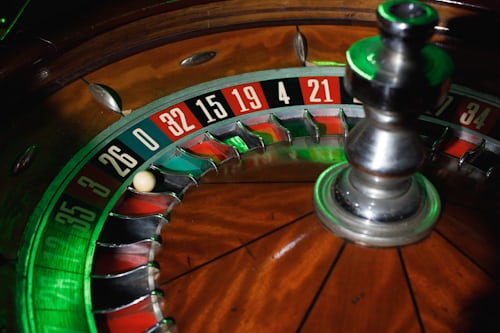
In modern society, casinos have diversified their offerings, incorporating fine dining, live entertainment, and luxury accommodations. This change has made them more than just places to gamble; they serve as social hubs where people gather to celebrate and unwind. Such evolution highlights the significant role casinos play in shaping cultural landscapes and promoting tourism in various regions.
Casinos as Social Spaces
Casinos are more than just venues for gambling; they act as vibrant social spaces that foster community interaction. They bring together individuals from diverse backgrounds, encouraging socialization and the exchange of ideas. This communal aspect helps dissolve barriers, allowing people to bond over shared experiences, be it a high-stakes poker game or a thrilling slot machine moment. In this way, managing a gambling budget becomes a crucial consideration for many players.
Moreover, the atmosphere in casinos often promotes a sense of excitement and celebration. The sounds of chimes, laughter, and cheers create an engaging environment that attracts both avid gamblers and casual visitors. This unique social dynamic contributes to the cultural significance of casinos, making them a focal point in many urban settings where people come to connect and have fun.
The Economic Impact of Casinos
The economic influence of casinos cannot be overstated. They generate substantial revenue through taxation and employment, contributing significantly to local economies. In many areas, casinos are the primary source of jobs, providing thousands of positions that range from hospitality to management. This economic impact is essential, particularly in regions that may struggle with high unemployment rates.
Furthermore, casinos attract tourism, drawing visitors who contribute to surrounding businesses, including hotels, restaurants, and entertainment venues. The influx of tourists stimulates local economies, fostering growth and development. As such, the presence of a casino often serves as a catalyst for broader economic initiatives within the community.
Challenges and Controversies
Despite their cultural significance, casinos also face challenges and controversies, particularly concerning problem gambling and social responsibility. The very nature of gambling can lead to addiction, which poses significant risks to individuals and their families. As a result, there is ongoing debate about the ethical responsibilities of casinos in promoting responsible gaming practices and providing support for those in need.
Additionally, casinos can sometimes be perceived as contributing to societal issues such as crime and economic inequality. Critics argue that the profits generated by casinos do not always benefit the communities they operate in. This ongoing discourse highlights the complexities surrounding the cultural role of casinos in modern society, necessitating balanced approaches to their operation and regulation.

Exploring Non-GamStop Casinos
The emergence of non-GamStop casinos has added another dimension to the gambling landscape. These platforms offer players a more flexible gaming experience, free from the restrictions often associated with traditional gaming sites. They have become increasingly popular among players seeking fewer limitations and a wider variety of gaming options.
Such casinos provide a unique opportunity for players to explore new games and promotions, creating a more dynamic gambling environment. As the demand for non-GamStop options grows, it is essential to navigate this landscape carefully, ensuring a secure and enjoyable gaming experience while acknowledging the inherent risks involved in gambling.