

Plinko and the Evolution of Casino Bankroll Management – Choosing High RTP Games
From the smoky backrooms of 18th-century European gambling houses to the sleek digital platforms of today, the art of managing your stakes has always been the quiet engine behind every memorable win. At Plinko , we don’t just drop balls-we honor the centuries-old wisdom of bankroll control. This checklist-driven guide walks through historical betting strategies and shows how selecting games with high RTP (Return to Player) can reshape your session. For a deeper look at all options, check https://artkaspi.az/casino/ for the full Plinko experience.
Why Plinko’s Roots Demand a Bankroll Plan
The game we now call Plinko traces its lineage to the pegboard puzzles of Victorian fairs-simple yet unpredictable, a test of both luck and nerve. Early gamblers learned quickly: without a stake management system, even the richest purse empties. At Plinko, every ball’s bounce mirrors this old truth-random but beatable if you set limits. The historical lesson is clear: never let the thrill of the drop erase your budget lines.
Plinko’s Three Historic Bankroll Pillars
Across centuries, players developed three core rules that still apply at Plinko today. These aren’t modern inventions-they’re refined from the gaming tables of 17th-century Venice and the racetracks of 19th-century England. Here’s what they look like in action:
- Set a session cap: Decide before the first ball drops how much you’ll risk-never chase a loss past this line.
- Bet a fixed percentage: Risk no more than 2-5% of your total bankroll per drop, a method used by professional card counters in the 1960s.
- Walk after a win streak: The “lock the profit” tactic dates back to 18th-century French roulette circles-take gains and reset.
- Track your average bet: Write down each wager; this simple habit kept 19th-century horse bettors from ruin.
- Adjust for volatility: High-risk Plinko paths need smaller bets-a principle from the early days of stock trading.
Selecting High RTP Games at Plinko – A Historical Shift
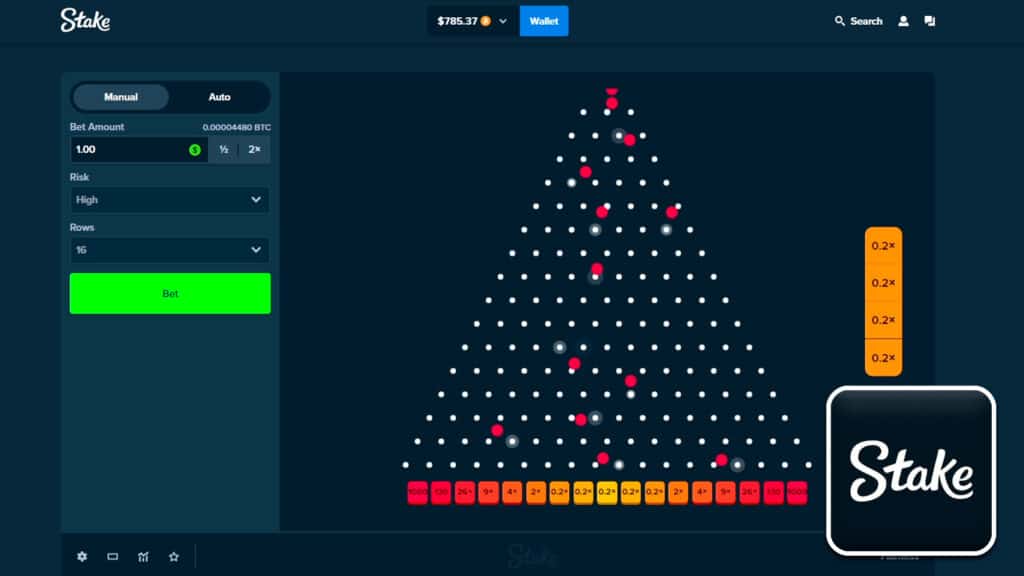
RTP-Return to Player-isn’t a buzzword dreamed up by modern marketers. It emerged from the statistical revolution of the 1930s, when mathematicians like Richard Von Mises formalized probability theory for gambling. At Plinko, high RTP games (those returning 96% or more over time) give you a longer runway. This isn’t magic-it’s the same logic that made 19th-century faro tables popular among sharp players: lower house edge keeps you in the game.
Plinko’s RTP Checklist – What to Look For
When you’re scanning the game list at Plinko, use this historical lens to pick your battles. The following checklist comes from decades of player data and probability studies:
- Check the published RTP: Look for numbers above 96%-these games have the smallest house advantage.
- Prefer low-variance settings: In Plinko, choose fewer rows and smaller multipliers for steadier returns.
- Avoid progressive jackpot games for bankroll: They often have lower base RTP-a lesson from 1980s slot players.
- Review payout tables: Compare the top prize against the frequency of smaller wins-balance is key.
- Test with demo mode first: This mirrors the “practice tables” used in 19th-century gaming halls.
- Look for certified RNG: Random number generators ensure fairness, a standard since the 1990s online revolution.
- Factor in bonus rounds: High RTP often includes bonuses that trigger regularly-check the frequency.
How Much to Bet at Plinko – The Historical Percentage Rule
The debate over stake size is as old as gambling itself. In 1748, the mathematician Girolamo Cardano wrote about dividing your wealth into “parts” before any game. At Plinko, this translates to a simple rule: never bet more than 5% of your bankroll on a single drop. For a bankroll of 100 AZN, that means a maximum 5 AZN per ball. This keeps you alive through bad runs-a tactic that saved many 18th-century dice players from bankruptcy.

Plinko Bankroll Tiers – A Historical Table
Below is a table adapted from the betting limits used by professional players in the 1960s Las Vegas era. Apply these to your Plinko sessions for sustainable play:
| Bankroll Size (AZN) | Max Bet per Drop | Recommended Bets per Session |
|---|---|---|
| 50 | 2.50 | 20-25 drops |
| 100 | 5.00 | 20-25 drops |
| 200 | 10.00 | 20-25 drops |
| 500 | 25.00 | 20-25 drops |
| 1000 | 50.00 | 20-25 drops |
| 2000 | 100.00 | 20-25 drops |
When to Stop – Ancient Wisdom for Plinko Players
The hardest lesson in gambling history isn’t about math-it’s about knowing when to walk away. The 16th-century Italian gambler Gerolamo Cardano famously advised: “The greatest advantage in gambling is to stop when you are ahead.” At Plinko, this means setting a win limit. For example, if you start with 100 AZN, stop playing once you hit 150 AZN. The same applies to losses: stop at 70 AZN. This isn’t new-it’s the same discipline that kept the House of Medici’s players solvent.
Plinko’s Historical Stop Signals Checklist
Use these signals, refined over centuries of play, to end your session at the right moment:
- Profit target reached: If you hit 50% above your starting bankroll, cash out-this mirrors 17th-century merchant trading rules.
- Loss limit triggered: When you lose 30% of your bankroll, stop-a lesson from the 1929 stock market crash.
- Three consecutive losses: After three bad drops, take a break-this pattern recognition dates to early poker strategy.
- Emotional fatigue: If you feel frustrated or overly excited, walk away-19th-century psychologists called this “the gambler’s fever.”
- Time limit expired: Set a timer for 30 minutes-this prevents the “sunk cost” trap known since Roman times.
Plinko and the Future of Bankroll Strategy
As gaming evolves, the fundamentals remain unchanged. The same principles that guided Venetian nobles in the 1500s now power your Plinko sessions. By combining high RTP game selection with disciplined betting limits and clear stop signals, you honor a tradition that spans centuries. The ball will bounce where it may-but your bankroll stays in your hands. Keep these checklists close, and every drop at Plinko becomes part of a longer, smarter story.