

The Ultimate Guide to Rifle Ammo: Top Calibers, Ballistics, and Buyer’s Secrets Revealed
What if the difference between a clean hit and a miss lies entirely in the cartridge you feed your rifle? Rifle ammo is a precision-engineered package of primer, propellant, and bullet that detonates to send a projectile downrange with devastating accuracy. Choosing the right grain weight and bullet type transforms your rifle from a tool into an extension of your will, delivering flat trajectories and hard-hitting energy on target. Master your ammo’s ballistics, and you master the shot—every time.
Understanding the Core Types of Cartridges for Rifles
When you first hold a box of rifle ammo, the cartridge is more than brass and lead—it’s a story of purpose. The **core types of cartridges for rifles** fall into three families: rimfire, centerfire, and magnum. Rimfire, like the .22 LR, hits the rim to ignite, making it cheap and perfect for plinking or small game. Centerfire, such as the .308 or 6.5 Creedmoor, places the primer in the center, offering reloadability and power for hunting or precision shooting. Magnum rounds, like the .300 Win Mag, stretch case capacity for flat trajectories on long-range elk shots. Choosing between them means matching the cartridge’s soul to your task—a varmint load won’t drop a moose, and a belted magnum will punish a youth shooter’s shoulder. Understanding these foundational types turns a random box of rifle ammo into a deliberate choice, built on how each cartridge breathes fire and sends a bullet true.
How Centerfire vs. Rimfire Designs Affect Your Shooting Experience
When you’re picking rifle ammo, your shooting experience hinges on whether the case is centerfire or rimfire. Rimfire rounds, like .22 LR, are cheaper and perfect for plinking, but the primer is in .338 Lapua Ammo for Sale the thin rim, so they’re less reliable for reloading and can misfire if dropped. Centerfire designs, like .308, place the primer in the reinforced case head, making them stronger and fully reloadable. This affects your experience in three practical ways: reloading feasibility and long-term cost per shot, plus ignition reliability in cold or dirty conditions. Centerfire also handles higher pressures, giving you flatter trajectories and harder-hitting recoil, while rimfire stays low-recoil and gentler on your shoulder.
Full Metal Jacket vs. Soft Point: What Each Bullet Shape Is Built For
The core split in rifle ammo often comes down to Full Metal Jacket vs. Soft Point: What Each Bullet Shape Is Built For. A Full Metal Jacket (FMJ) features a lead core fully encased in copper, designed for deep penetration and reliable feeding—ideal for target practice and military drills where over-penetration is acceptable. Conversely, a Soft Point (SP) exposes lead at the tip, promoting rapid expansion upon impact. This makes it purpose-built for hunting, delivering devastating energy transfer to take down game humanely without excessive pass-through. Choose FMJ for cost-effective training; choose SP for ethical field performance where stopping power matters most. Expansion is the defining difference.
Q: Which bullet shape prevents over-penetration in dense brush?
A: Soft Point rounds, due to their immediate expansion, are safer for hunting in cover than FMJs, which can sail through targets.
Why Caliber Choice Dictates Recoil, Trajectory, and Downrange Energy
Selecting a rifle caliber is a physics equation where every variable—bullet weight, case capacity, and bore diameter—interacts to define your shooting experience. A heavier bullet propelled by more powder generates greater felt recoil, as Newton’s third law dictates 6.8 SPC Ammo for Sale an equal and opposite reaction against your shoulder. Simultaneously, that same mass and velocity curve the trajectory; lighter, faster rounds like a .223 drop less at 300 yards, while slow, heavy slugs require more holdover. Downrange energy follows the same logic—a 180-grain .30-06 retains crushing foot-pounds for large game, whereas a varmint round sheds energy quickly. Caliber choice dictates recoil, trajectory, and downrange energy because they are inseparable outcomes of the same ballistic formula, forcing you to prioritize between comfort, precision, or terminal punch.
Every caliber’s recoil, arc, and impact force are locked into its bullet and powder charge—choose based on what you need the rifle to do.
Decoding the Numbers on the Box: Key Specifications You Must Check
The caliber, such as .308 Win or 6.5 Creedmoor, is the first critical number, dictating bolt face size and barrel compatibility. Next, the bullet weight in grains (e.g., 147 gr) directly influences trajectory and recoil, with heavier slugs often offering better wind resistance. The muzzle velocity, listed in feet per second, tells you the flatness of the arc but is only meaningful when paired with the ballistic coefficient of the specific projectile shape. A box’s “energy” figure, usually foot-pounds, indicates terminal effect at the muzzle, yet it drops fast with range. Always inspect the cartridge overall length against your magazine’s internal limits. Check the primer type (boxer vs. berdan) only if you reload. The most overlooked number is the lot number, as velocity can shift slightly between batches, impacting zero. Match the bullet type—soft point, boat-tail—to your intended twist rate for consistent accuracy.
What Grain Weight Means for Velocity and Terminal Performance
Grain weight is the bullet’s mass, and it directly decides the trade-off between velocity and terminal performance. Lighter grains (like 55gr in .223) scream out of the barrel fast, giving you a flat trajectory and less recoil, but they shed energy quickly and often fragment on impact. Heavier grains (like 77gr or 62gr) move slower, dropping more at range, yet they penetrate deeper and retain momentum, delivering a heavier thump on target. For hunting deer, you want that heavier weight to crush bone; for varmints, lighter is better because it explodes. Matching grain to your twist rate matters too—a 1:7 barrel loves heavy bullets, while 1:12 prefers light ones.
Ballistic Coefficient Explained: How to Predict Wind Drift and Drop
The Ballistic Coefficient (BC) tells you how efficiently a bullet slices through air—higher numbers mean less drag, so your wind drift and drop stay tighter downrange. When comparing ammo, check the BC at both close and long ranges because some bullets shed velocity faster. For prediction, start with your muzzle velocity and zero distance, then use a ballistic app to model drift at 10 mph wind. Remember, a flat-base .35 Remington Ammo for Sale bullet might group better at 100 yards but get bullied by wind past 300, so match BC to your actual hunting or competition range.
- Check the listed BC (G1 or G7 model) on the box.
- Adjust for air density and altitude if you shoot at high elevation.
- Verify drift at your typical firing distance—say 400 yards—before trusting it.
Reading Velocity Ratings (FPS) and Muzzle Energy for Practical Use
When reading a rifle ammo box, FPS (feet per second) tells you the bullet’s speed at the muzzle, but that number only becomes practical when you translate it into **muzzle energy in foot-pounds** to gauge real terminal performance. A high FPS with a light bullet can feel flat-shooting, yet deliver weak energy on target; conversely, a slower, heavier bullet often carries more punch at 100 yards. .32 Win Special Ammo for Sale For hunting, prioritize energy above 1,000 ft-lbs for deer-sized game, while for varmints, 400–800 ft-lbs suffices. Cross-check FPS against your barrel length—shorter barrels lose 50–100 FPS per inch—so a box’s claimed velocity may not match your rifle. Use energy figures to calculate trajectory drop and wind drift, not just raw speed, because practical accuracy depends on how that energy sustains downrange.
Selecting the Right Load for Your Specific Shooting Goal
Selecting the right rifle load begins with defining 6.5x57R Ammo for Sale your ballistic endpoint: match the bullet’s construction and velocity to the target’s resistance and your required precision. For paper or steel at long range, choose a high-BC, low-drag projectile with a tight concentric case and consistent powder charge to minimize vertical dispersion. For hunting, match bullet expansion to impact velocity—a bonded or monolithic bullet for deep penetration on heavy bone, a soft-point for lighter game at moderate ranges—and verify your zero at the actual distance, not a 100-yard standard.
The load that groups best from a bench rest may fail you in the field if its velocity window doesn’t match your shot distance and target density.
Chronograph every batch, and test temperature sensitivity; a load that shifts 2 MOA from 40°F to 90°F is useless for a cold-morning hunting shot. Commit to one load, then practice with it exclusively until your misses are your own, not the cartridge’s.
Best Characteristics for Precision Long-Range Target Work
For precision long-range target work, the cartridge and bullet must prioritize consistency over raw speed. Choose match-grade bullets with a ballistic coefficient above 0.5, as this preserves downrange velocity and resists wind drift. A higher sectional density aids deep, stable penetration through turbulent air at extended distances. The powder charge must be temperature-stable to keep extreme spread under 10 fps, ensuring near-identical vertical impact at 1,000 yards. Opt for a flat-base or hybrid ogive that seats concentrically in the case neck; runout below 0.002 inches is non-negotiable for sub-MOA groups. Finally, select a caliber with a long throat to allow longer, heavier projectiles without pressure spikes.
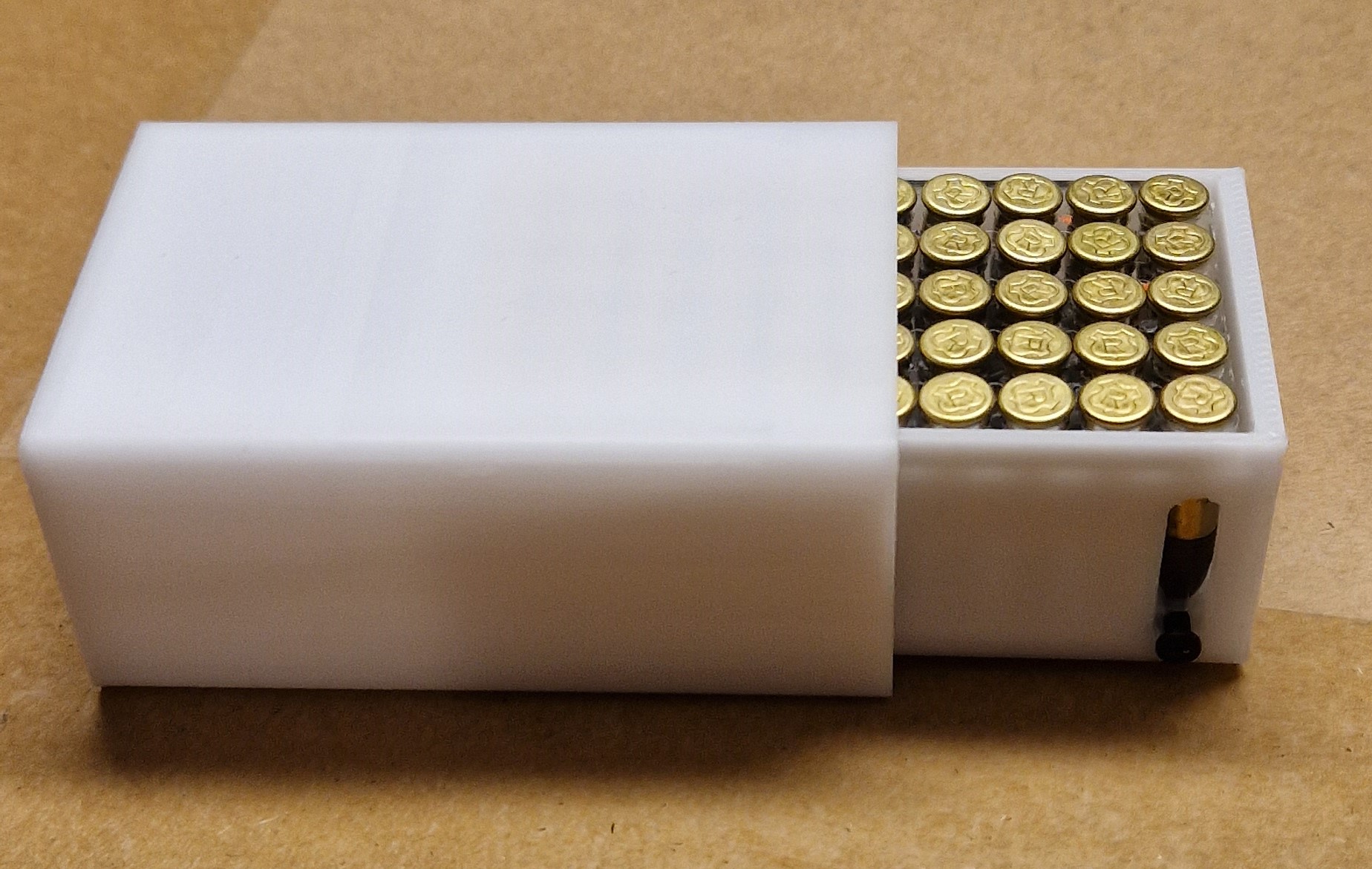
Balancing Expansion and Penetration for Hunting Medium to Large Game
For medium to large game, you’re walking a tightrope between expansion and penetration. A bullet that blows up too fast on a shoulder bone might leave shallow wounds, while one that zips through without opening creates poor blood trails. Balancing expansion and penetration for hunting medium to large game means picking a bullet that retains enough weight to reach vital organs, yet still mushrooms reliably at your expected impact velocity. Bonded or monolithic options like the Barnes TTSX or Swift A-Frame shine here, as they 6.5×55 Swedish Ammo for Sale hold together on heavy muscle. Don’t chase the softest expanding round for deer if you’ll also use that same rifle on elk or bear. Match the bullet’s construction to the toughest animal you plan to hunt, then dial your shot placement accordingly.
High-Volume Practice Loads That Save Money Without Sacrificing Function
For shooters burning through hundreds of rounds weekly, high-volume practice loads that save money without sacrificing function hinge on bullet weight and powder efficiency. Choose flat-base, 55-grain FMJ boat-tails for .223/5.56, as they deliver reliable cycling and acceptable 2-3 MOA accuracy for drills, while lighter 40-grain varmint tips cut recoil and cost per trigger pull. Stick to factory remanufactured or bulk-packed ammunition with crimped primers, which withstand magazine feeding and rapid fire without malfunctions. Skip match-grade brass and instead .32 ACP Ammo for Sale use mixed headstamps, but verify your rifle’s twist rate feeds the chosen projectile cleanly—this preserves your barrel’s throat and maintains functional group sizes during transition practice or positional work.
Storing and Handling Your Supply to Maintain Performance
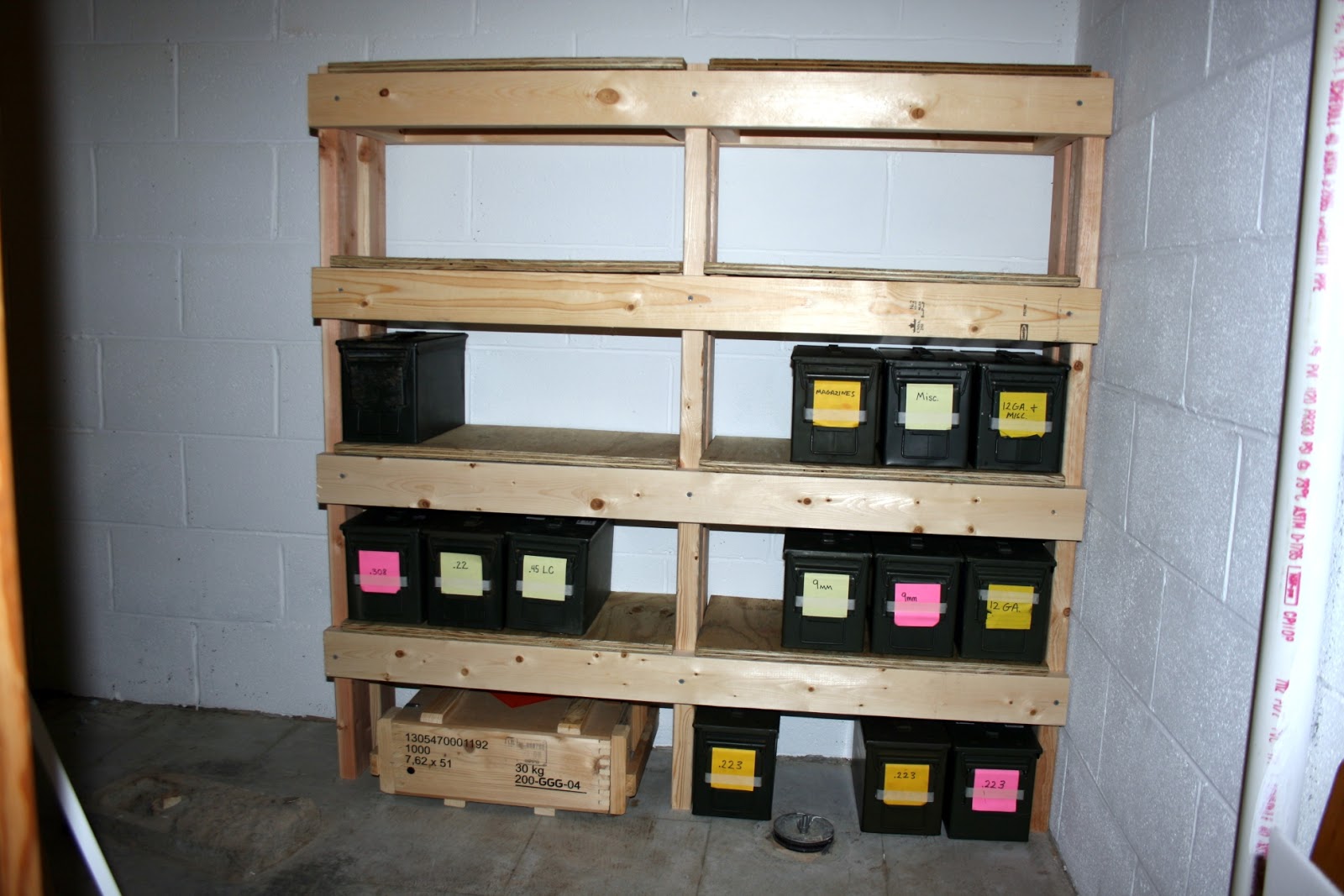
To maintain rifle ammo performance, store it in a cool, dry environment with stable temperatures, ideally below 75°F, as extreme heat accelerates powder degradation and cold can alter pressure curves. Keep cartridges in their original factory boxes or airtight ammo cans with desiccant packs to prevent moisture ingress, which causes corrosion and primer failure. When handling, avoid touching the brass or primer with bare skin—oils from fingers can attract dirt and induce rust over time. Rotate your stock by using older rounds first, but never mix ammo from different lots if you require consistent accuracy. Protect your ammunition from temperature swings and humidity above all else, as these are the primary enemies of reliable ignition and velocity.
Rifle ammo stored properly can outlast the rifle itself, but mishandling can turn a precise cartridge into a misfire risk within months.
Inspect rounds for dents, loose bullets, or green corrosion on brass before loading, and discard any compromised examples rather than risk a squib load or chamber obstruction.
Temperature and Humidity Controls That Prevent Corrosion and Misfires
Keeping rifle ammo within a stable 60–70°F range and between 30–50% relative humidity is non-negotiable for reliability. Rapid temperature swings force moisture out of the air to condense on brass, initiating corrosion that pits cases and seizes primers. A desiccant pack inside a sealed ammo can, paired with a hygrometer, gives you precise moisture control that prevents misfires by keeping propellant granules dry and primers sensitive. Never store rounds in a garage or basement where humidity spikes; instead, use a climate-controlled closet. Silica gel should be recharged monthly, and avoid airtight containers without desiccant, as trapped humid air accelerates oxidation.
Q: What temperature and humidity level best prevents corrosion in rifle ammo?
A: Maintain a steady 60–70°F with relative humidity between 30–50%, using desiccants to absorb excess moisture. This prevents condensation on case walls and primer pockets, ensuring consistent ignition.
Rotating Stock to Avoid Age-Related Pressure Spikes
Rotate your rifle ammo like you’d rotate a pantry—oldest first, newest last—because **age-related pressure spikes** happen when powder breaks down and burns faster than designed. Every six months, pull the back row of your stash and shoot it at the range, then restock fresh rounds behind the remaining boxes. Mark each box with purchase date and lot number using a Sharpie, so you never guess which box is oldest. If you notice flattened primers or sticky bolt lift with older ammo, stop shooting it and swap it for newer stock immediately—that’s a classic pressure red flag. A simple first-in, first-out bin setup prevents mystery loads and keeps your rifle safe.
How to Inspect Brass, Primer, and Seating for Visible Defects Before Loading
Before loading, scrutinize each Ammunition for Sale brass case for cracks, splits, or stress lines at the neck and case head, as these indicate imminent failure under pressure. Check the primer pocket for corrosion, debris, or an enlarged flash hole that could cause erratic ignition. Verify the primer is seated flush or slightly below the case head—a proud primer risks slam-fires, while a crushed one suggests excessive force. Inspect the bullet seating for uniform depth and a consistent crimp, watching for tilted projectiles or shaved copper. Reject any component showing dents, dings, or discoloration. This pre-loading visual inspection is your final defense against catastrophic malfunctions, ensuring each round meets reliable performance standards.
Common Practical Mistakes Shooters Make With Rifle Cartridges
Many shooters undermine accuracy by mismatching rifle ammo to the barrel’s twist rate, using bullets too heavy or light for optimal stabilization, which causes erratic groups. Another common error is mixing lots or brands in the same session, as pressure and velocity variations shift point of impact. Overlooking case length is also frequent; trimmed cases are essential because over-long brass can spike pressure dangerously. Shooters often ignore seating depth, accepting factory coal instead of testing cartridge overall length against their chamber lands. Finally, failing to clean carbon fouling from the chamber leads to hard bolt lift and stuck cases.
Consistent results demand rejecting ammo that shows signs of pressure, like flattened primers, rather than assuming all factory loads are safe in every rifle.
Mixing Lots or Brands and How It Destroys Consistency
Mixing lots or brands of rifle ammo is a sneaky way to wreck your hard-earned precision. Even if the box says the same bullet weight, different lots can have tiny variations in powder charge, case volume, or primer sensitivity, which shift your point of impact. Brands are even worse—one might use a softer jacket or a different ogive, changing how the bullet engages the rifling. You’ll zero with one box, then shoot another and wonder why your groups open up or walk off target. Consistent ammo is the only path to a reliable zero, so don’t blend them mid-session; finish one lot, then re-zero for the next.
Mixing lots or brands means https://specialtysportsandsupplyltd.com/ unpredictable pressure and velocity shifts, turning tight groups into shotgun patterns and forcing constant re-zeroing.
Ignoring Barrel Twist Rate When Choosing Bullet Weight
Choosing bullet weight without checking your barrel’s twist rate is a direct path to poor accuracy. The twist rate, expressed as inches per turn (e.g., 1:12), dictates the spin needed to stabilize a given projectile’s length. A slow twist (1:12) cannot stabilize long, heavy bullets, causing keyholing and erratic flight; a fast twist (1:7) may over-stabilize light bullets but often leads to jacket failure at high velocities. Match bullet weight to twist rate stability limits by verifying your barrel’s spec before buying. A clear sequence exists:
- Find your twist rate (stamped on barrel or manufacturer’s site).
- Calculate the bullet’s length-to-diameter ratio, not just grains.
- Select a weight that falls within the twist’s recommended stabilization range.
- Test at 100 yards to confirm group consistency.
Ignoring this can turn a premium cartridge into a shotgun pattern.
Using Magnum Loads in Lightweight Rifles: Recoil and Wear Trade-Offs
Dropping magnum loads into a featherweight rifle feels like a shortcut to flat trajectories, but it’s a raw deal for both you and the gun. The recoil and wear trade-offs are brutal: that light frame transfers every pound of force straight into your shoulder, making flinching almost inevitable. Worse, the violent bolt thrust and muzzle blast accelerate parts fatigue—lug setback, stock cracking, and scope creep become common. To manage this,
- first, add a quality muzzle brake to cut felt recoil,
- then, reduce your shot strings to let the barrel cool and avoid heat-induced wear,
- finally, inspect the action and bedding after every 100 6.5x57mm Mauser Ammo for Sale rounds for stress cracks.
If you’re not hunting dangerous game at extreme ranges, overbore magnums in light rifles simply aren’t worth the punishment—stick to a standard cartridge and save your shoulder.