

Top Deals on Discount Ammo for Every Caliber
Discount ammo can slash your shooting costs by up to 50% without sacrificing a single round’s reliability. Buying in bulk or opting for new-manufacture overruns unlocks these savings, letting you train twice as often for the same budget. Every box delivers the same velocity and accuracy as full-price cartridges, so you’re paying less for identical performance. Grab a case today and let your trigger time—not your wallet—define your limits.
What Exactly Counts as Budget-Friendly Ammunition?
Budget-friendly ammunition, in 9.3x72R Ammo for Sale the context of discount ammo, is defined less by absolute price and more by cost-per-round relative to its intended purpose. For most shooters, this means full metal jacket (FMJ) or steel-cased rounds purchased in bulk, often from remanufactured or overrun lots. A round qualifies as budget-friendly if it consistently functions reliably in your firearm while remaining affordable enough for regular practice without sacrificing safety. Discount ammo that is truly budget-friendly typically avoids premium features like match-grade accuracy or specialty projectile design. The key marker of value is acceptable accuracy for the distance you actually shoot, usually within 2–3 inches at 25 yards for handguns, not the lowest sticker price alone. If a discount round causes failures, hard primers, or excessive fouling, it stops being budget-friendly, regardless of savings. Real budget ammunition balances reliability, minimum functional quality, and a per-round cost that permits frequent use.
How Retailers Mark Down Cartridges Without Sacrificing Safety
Retailers protect profits by leveraging overruns, not cutting corners on safety. They buy surplus ammunition in bulk, often from military or law enforcement contracts, passing savings on without altering the cartridge’s structural integrity. You’ll also see discounts on last season’s box design, where the packaging changes but the primer, powder, and case .50 Cal Ammo for Sale remain factory-new. Another trick is selling flat-nosed or training variants, which use cheaper projectiles yet still meet pressure standards. Crucially, markdowns never come from skipping quality checks—every round is still inspected. If a deal seems too risky, check for corrosion or loose primers; otherwise, you’re getting genuinely safe, cost-effective rounds.
New vs. Refurbished vs. Overrun: Knowing the Difference
When hunting for discount ammo, the labels “new,” “refurbished,” and “overrun” drastically change what you’re actually buying. New ammunition is factory-fresh, with full QC and consistent headstamps—worth the premium if you need maximum reliability. Refurbished rounds, often pulled from damaged factory lots or remanufactured with fresh powder and primers, can save money but demand you inspect for case corrosion or primer seating issues. Overrun ammo is genuine factory production in excess of a military or commercial contract, sold without the original packaging; it’s usually identical to new, but lot numbers may vary, so verify the projectile weight and pressure rating before bulk purchase. Never assume overrun equals surplus—surplus is used, overrun is virgin. Choose refurbished only for range blasting, not carry or defense.
New offers guaranteed integrity, overrun offers factory quality at a discount, and refurbished offers the lowest price with a risk trade-off—know which you’re buying before you pull the trigger.
Common Calibers You’ll Find at Steep Price Cuts
When scanning discount ammo racks, common calibers with steep price cuts typically include 9mm, .223 Remington, and .45 ACP, as these high-volume rounds see frequent overstock and seasonal clearances. Bulk 9mm often drops below 25 cents per round, while .223 surplus pallets can hit 40–50% off retail during off-peak months. .40 S&W and .380 ACP also appear regularly, driven by law enforcement trade-ins and manufacturer overruns. You’ll rarely find deep discounts on niche calibers like .357 Sig or 10mm, because lower demand means fewer surplus batches to liquidate. Focus on these mainstream options, where competition between retailers forces sharper markdowns and promo codes stack with existing sales.
- 9mm FMJ bulk packs (e.g., 500-round cases) yield the most consistent per-round savings.
- .223/5.56 NATO loose-packed or remanufactured rounds drop steeply when hunting season ends.
- .45 ACP 230-grain target loads appear on clearance after holiday gift-card surges.
- Check .380 ACP when compact-gun owners trade up, clearing old stock at deep discounts.
Why Are Some Rounds Offered at Rock-Bottom Prices?
Rock-bottom prices on discount ammo almost always trace to manufacturer overruns, cosmetic blemishes, or non-critical contract cancellations, not degraded function. A factory might produce 5,000 rounds for a law enforcement tender, then the order shrinks—leaving surplus that must be liquidated fast to free production lines. Similarly, annealed cases with slight discoloration, or primers seated a hair deeper than spec, pass QC but fail “premium” branding, so they’re pallet-sold to discounters. The practical trick is to buy only sealed cartons from reputable brands, never loose bulk bins.
Cosmetic flaws don’t alter burn rate, but they do let you train at half price—verify headstamp consistency before you commit.
If the price seems too absurd, check the lot number; often it’s last season’s powder blend, still perfectly serviceable for range work.
Plain Packaging and Bulk Turns: What You’re Actually Paying For
When you see rock-bottom ammo prices, plain packaging and bulk turns are often the hidden levers. You’re not paying for flashy boxes or marketing—you’re paying for the round itself. Retailers who stock pallets of generic white boxes move inventory in massive volume, slashing per-unit overhead. That bare cardboard saves on printing, design, and display costs, directly cutting your price. Bulk turns mean faster shelf rotation, so the manufacturer and store accept razor-thin margins in exchange for quick cash flow. The result? You get functional, reliable ammunition without the frills—just the brass, primer, powder, and projectile.
- Plain packaging 9×18 Makarov Ammo for Sale removes branding costs, so your dollar goes into the cartridge, not the label.
- High bulk turns let sellers profit on volume, not markup, keeping prices at floor level.
- No fancy trays or boxes means less waste and more rounds packed per shipping crate.
When a Deal Signals Older Stock—and Why That’s Fine
A rock-bottom price often simply means the retailer is clearing out older stock, not that the ammunition is defective. Ammunition doesn’t “go bad” like food; as long as it was stored in a cool, dry place, decades-old rounds remain perfectly functional. The main trade-off is cosmetic—tarnished brass or slightly faded primers—which has zero effect on ballistic performance. What truly matters is whether the primer and powder are intact, not the production year. Buying older stock is a smart way to get premium brands at budget prices, provided you inspect for corrosion or loose primers before firing. Older-stock discount ammo is a practical choice for range practice, where precision isn’t critical.
- Check for green corrosion on case mouths—minor tarnish is fine, flaking is not.
- Shake the box; a rattling primer means the round is compromised.
- Test a few rounds first—if they cycle reliably, the rest are good.
The True Cost Behind a Low Per-Round Price Tag
A rock-bottom per-round price often hides compromises that surface in your gun’s performance and your wallet. That savings disappears when low-cost ammunition causes malfunctions, forcing you to waste time and rounds on function tests, or worse, damages extractors and feed specialty sports and supply ramps from inconsistent casings. Cheap propellants can leave heavy fouling, accelerating cleaning costs and shortening barrel life—a replacement far exceeds any upfront discount. You might also face accuracy shifts that burn through twice as many rounds to zero, negating the price edge entirely. Before celebrating that cheap crate, calculate the true cost: replacement parts, extra solvent, and lost range time frequently outweigh the initial pennies saved per shot.
How to Score Deep Savings Without Getting Ripped Off
To score deep savings on discount ammo, lock in bulk pricing only after verifying the round’s headstamp and lot number against known recall lists. Never trust a deal that undercuts standard retail by more than 30%—counterfeit or remanufactured rounds often hide there. Buy sealed cases from reputable online vendors with a clear return policy, and inspect primers for off-center strikes before you store them.
The real savings come from stacking free-shipping thresholds with multi-case rebates, not from chasing the lowest per-round price alone.
Split a pallet order with shooting buddies to hit wholesale tiers, but demand a single lot for consistency. If a seller refuses to disclose the manufacturing date or lot, walk away—that “discount” is just a liability you’ll pay for at the range.
Trusted Sources for Clearance-Priced Boxes and Cases
When seeking **clearance-priced boxes and cases**, prioritize vetted online retailers that publicly display their tier-1 manufacturer authorizations, since these distributors receive first access to discontinued SKU lots. Cross-reference the seller’s stock status against the manufacturer’s own “closeout” page, as the two usually sync only for genuine surplus. For physical stores, check the gun counter’s back-shelf area, not the front display, because clearance ammo is often moved there after inventory audits. Avoid auction sites unless the seller’s feedback exceeds 10,000 transactions with a zero negative rating in the last six months. A logical step: set an alert on three trusted wholesalers for bulk-case reductions, then verify their return policy permits unopened-box refunds.
Q: What is the fastest way to verify a trusted source for clearance-priced boxes and cases?
A: Call the retailer’s customer service and ask for the lot number of the clearance ammo, then match that lot against the manufacturer’s recall database—a legitimate source will provide it without hesitation, while a fly-by-night operator will stumble or refuse.
Reading the Fine Print: Grain Weight, Bullet Type, and Velocity
When you’re hunting discount ammo, the sticker price isn’t the whole story—the fine print on grain weight, bullet type, and velocity decides if that “deal” actually works for your gun. A lighter grain weight might be cheaper per box, but it can shift your point of impact drastically, especially in a rifle zeroed for heavier loads. Similarly, a full metal jacket deal won’t expand for hunting, while a hollow point at discount velocity might underperform for defensive use. Always compare the listed muzzle velocity to your usual carry or target load—slow “budget” rounds can feel sluggish and fail to cycle reliably. Check grain and bullet type before you bulk-buy, because matching your gun’s preferred spec saves more than the upfront price ever will.
Reading the fine print on grain weight, bullet type, and 7mm Rem Mag Ammo for Sale velocity ensures your discount ammo actually hits where you aim and functions in your firearm.
Shipping Fees and Bulk Orders: Where the Hidden Markup Lurks
When you’re hunting for discount ammo, the sticker price is half the story—shipping fees and bulk orders are where the hidden markup lurks. A “cheap” case can bleed you dry with per-box handling charges or inflated flat-rate shipping that quietly adds 10–15% to your total. Always compare final cost per round *including delivery* before checkout. Buying in bulk often unlocks free-shipping thresholds, but watch for weight-based surcharges that spike past 50 pounds. Some retailers mark up “discounted” bulk crates to offset their logistics, so compare per-round delivered cost across two or three vendors before committing to a large order.
Matching Cheap Cartridges to Your Specific Firearm Needs
Matching cheap cartridges to your specific firearm begins with verifying the exact caliber and cartridge length stamped on the barrel, as discount ammo often comes in odd lots or reloads that can vary in overall dimension. Check the ammunition’s bullet weight against your firearm’s twist rate; a slower twist barrel may keyhole light, budget-priced projectiles, while a faster twist can over-stabilize heavy ones, degrading accuracy. For semi-automatics, prioritize discount ammo with published velocity or pressure data, since weak or inconsistent loads can fail to cycle your action reliably. Test a small box from a single batch before bulk-buying, and record any feed or ejection issues in a log to compare across brands. Sometimes the cheapest round is not the worst choice, but only if your specific firearm cycles it without excessive fouling or pressure signs. Finally, match primer hardness to your firing pin strike—military-surplus discount ammo often 9mm Ammo for Sale has harder primers that can cause misfires in lighter-hammer designs.
Range Day Blasting vs. Defensive Carry: When Budget Rounds Work
For pure range day blasting, discount ammunition is ideal—your goal is trigger time and reliability testing, not match-grade precision. Budget rounds shine 7mm Rem Ultra Mag Ammo for Sale here because they let you burn through hundreds of rounds, building muscle memory and cycling your slide under real recoil. However, for defensive carry, cheap ammo should never ride in your magazine. You need premium hollow points that expand predictably and feed flawlessly under stress. The practical split: use budget rounds for drills, malfunction clearing, and zeroing at 7–10 yards, but always confirm your carry load cycles reliably after a box of 50. Cheap ammo works for blasting, not for saving your life.
- Run budget rounds to test magazine springs and extractor tension before a match or class.
- Reserve defensive loads for every-day carry—never mix cheap FMJ with hollow points in one mag.
- Verify your gun’s point-of-impact shift with budget ammo; it’s fine for steel, not Ammunition for Sale for threat stops.
- Use discount rounds for high-volume recoil drills, then switch to your carry load for final confirmation.
Signs Your Gun Doesn’t Like a Particular Budget Load
When a budget round disagrees with your firearm, it rarely stays quiet about it. You’ll notice stovepipe jams or failure-to-feed issues appearing only with that specific cheap box, while your premium carry ammo runs flawlessly. Watch for erratic point-of-impact shifts—a load that groups inconsistently at 25 yards isn’t just “minute of bad guy,” it’s a compatibility red flag. Excessive unburnt powder residue, harder recoil impulses, or keyholing (bullets tumbling through targets) are other telltale signs. If your slide locks back prematurely or spent casings eject weakly, the cartridge’s pressure curve is wrong for your gun’s spring weight.
- Frequent light primer strikes on that brand only.
- Consistent failure to extract, leaving brass stuck in the chamber.
- Accuracy falls apart beyond 10 yards compared to your normal load.
Tracking Accuracy and Reliability with a Simple Notebook
When you’re testing bargain ammo, a simple notebook is your best friend for tracking accuracy and reliability. Jot down the date, the cartridge lot, and the group size you shot at 25 or 50 yards—don’t rely on memory. For each cheap box, note any failures to feed, extract, or fire, plus how the gun felt. Over a few range trips, patterns emerge: maybe one budget brand consistently prints tighter groups, while another jams every third round. That written record turns guesswork into a clear, personalized ranking, so you can confidently stick with the cheap stuff that actually performs—and skip the rest. This practical approach builds your own **reliability log for discount ammunition** without wasting money or time. Keep it honest, and your notebook becomes the cheapest accuracy upgrade you own.
Smart Storage and Handling Tips for Marked-Down Ammo
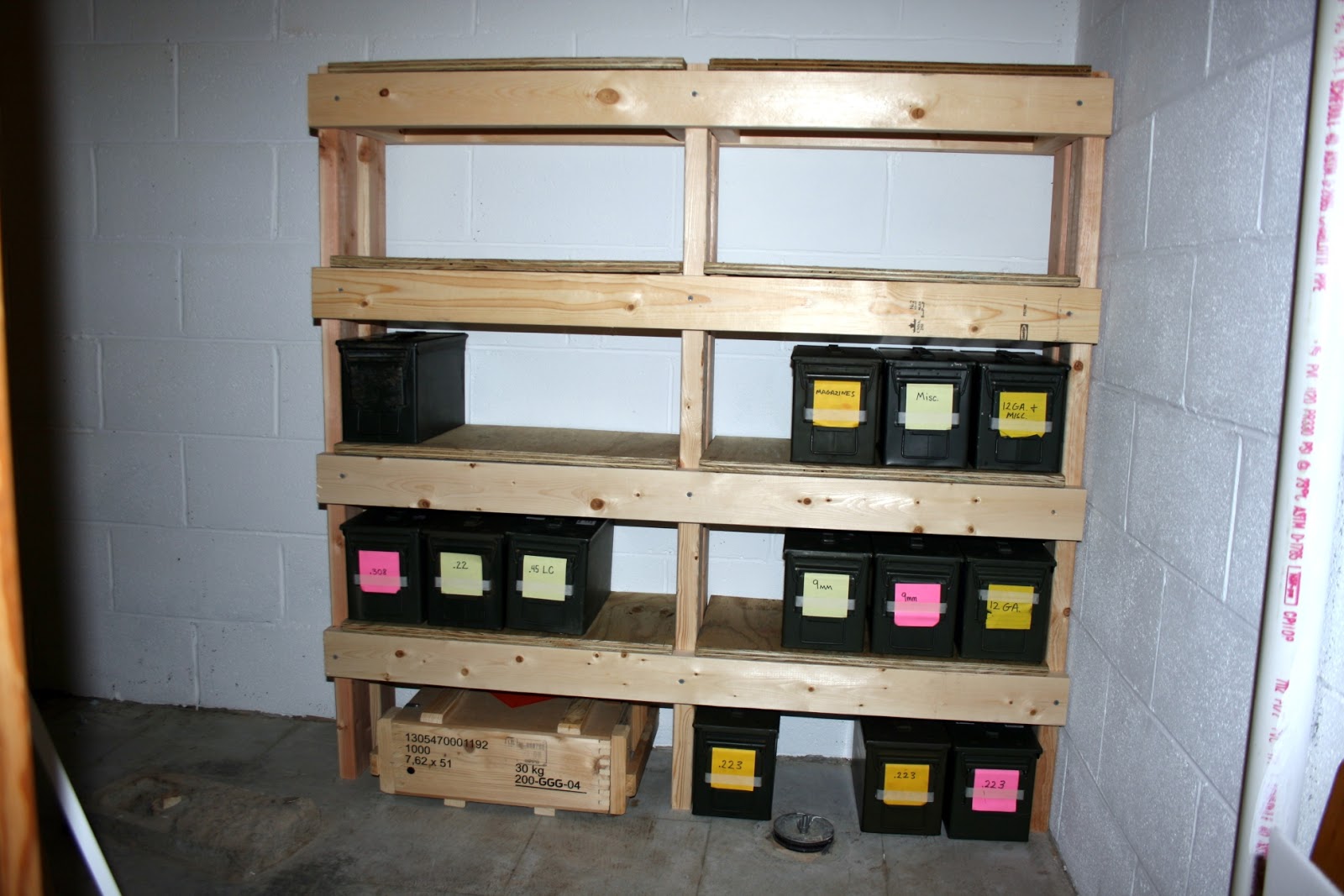
When you buy discount ammo, the savings often come from older lots or surplus packaging, so smart storage is non-negotiable to preserve function. First, inspect each box at purchase—reject any with crushed primers, corroded cases, or loose projectiles, as marked-down prices don’t justify safety risks. Store your bargain rounds in a sealed, airtight ammo can with a desiccant pack, and keep them off concrete floors to prevent moisture wicking through cardboard. Rotate your stock by date, shooting the oldest discount boxes first; even at a low price, ammo degrades with temperature swings.
If a primer looks tarnished or a cartridge rattles, treat it as a dud risk and set it aside for disposal rather than chambering it.
Finally, label each can with the purchase date and lot number—this lets you track performance issues back to a specific discount batch, ensuring your budget-friendly ammo stays reliable.
How to Check for Corrosion or Duds Before Loading Up
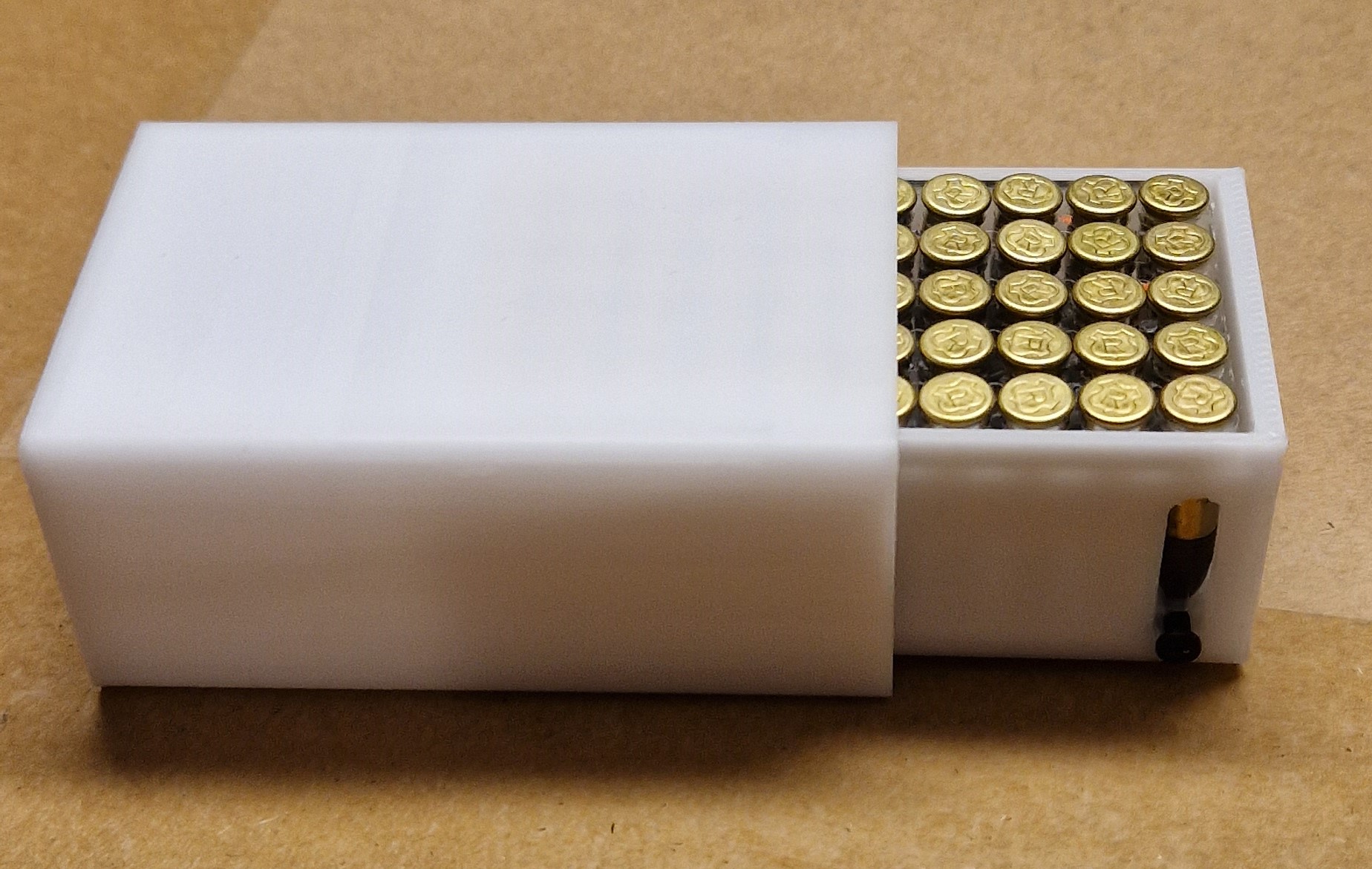
Before you trust a bargain box, inspect every round under bright light. Look for green or white crust on primers, cases, or projectiles—that’s active corrosion that can cause misfires or pressure spikes. Roll each cartridge between your fingers; gritty resistance or sticky residue signals oxidization. For duds, check primer cups for deep strikes or flattened edges, which suggest they’ve been previously chambered and failed. Toss any round with a loose bullet or a cracked neck—these are structural failures, not savings. Your pre-loading corrosion inspection is a five-minute habit that prevents range-day frustration.
- Shine a flashlight at a shallow angle across case walls to spot pitting or discoloration.
- Sniff for a sharp, metallic odor—corroded brass gives off a distinct acidic smell.
- Gently tap the bullet base on a hard surface; a dull thud instead of a clean ring indicates internal damage.
- Separate suspect rounds into a marked “do not fire” container, never back into your ammo box.
Proper Ammo Can Storage to Keep Your Savings Fresh
To protect discounted ammunition, transfer it immediately into **proper ammo can storage** designed for airtight sealing, as bulk savings evaporate if moisture corrodes primers or powder. Use metal cans with rubber gaskets, not plastic bags, which trap humidity. Before sealing, 6mm Remington Ammo for Sale add desiccant packs and label the can with the purchase date and lot number to rotate stock efficiently. Store cans off concrete floors, as temperature swings cause condensation that rusts cases. Your budget-friendly bulk buys remain reliable only when sealed cans are kept in a cool, dark, stable environment.
- Inspect the rubber gasket yearly for cracks that break the airtight barrier.
- Keep cans upright and never stack them more than three high to avoid warping the lid seal.
- Re-seal opened boxes inside the can immediately after range day to 9.3x62mm Mauser Ammo for Sale prevent moisture intrusion.
Rotating Your Stockpile: Use the Oldest Rounds First
When you buy discount ammo in bulk, rotating your stockpile by using the oldest rounds first prevents pressure signs and misfires from aged propellant. Mark the purchase date on every box, then file new batches behind existing inventory so your shooting routine always pulls from the front. Even factory-new bargain rounds can develop hard primers or corroded cases if they sit for years in a humid garage. Before heading to the range, inspect the oldest box for green spots or loose bullets, then fire those exclusively until empty. This habit also exposes a bad lot early, while the retailer might still honor a return. Never mix old and new in the same magazine, as inconsistent ballistics will ruin your zero.
Rotating your stockpile means the oldest discount rounds get fired first, keeping your stash fresh, safe, and consistent.